Drone Laws in Alberta: Where You Can and Can’t Fly
By Canada Drone Pros
Alberta offers some of the most diverse and visually striking landscapes in Canada. From the Rocky Mountains and foothills to open prairie, river valleys, industrial corridors, and fast-growing cities, it’s a province that naturally attracts drone pilots.
But Alberta is also one of the most misunderstood provinces when it comes to drone laws.
At Canada Drone Pros, we regularly see pilots fined or grounded not because they intended to break the rules — but because they didn’t understand how federal, provincial, and municipal drone regulations overlap.
This guide explains Alberta drone laws in plain language. You’ll learn who regulates drone use, where drones are prohibited, where they may be allowed, how national parks differ from provincial and municipal land, what Transport Canada requires, and how to plan legal flights anywhere in Alberta.
Who Regulates Drone Use in Alberta?
Drone laws in Alberta are governed through three overlapping layers of authority. Understanding how these layers interact is essential for legal flight.
1. Transport Canada (Federal – Airspace & Aviation)
Transport Canada regulates all Canadian airspace. These rules apply everywhere in Alberta, whether you are flying in a city, a rural field, or remote wilderness.
Transport Canada rules cover:
- Drone registration
- Pilot certification (Basic or Advanced)
- Altitude limits
- Visual line of sight
- Operations near people
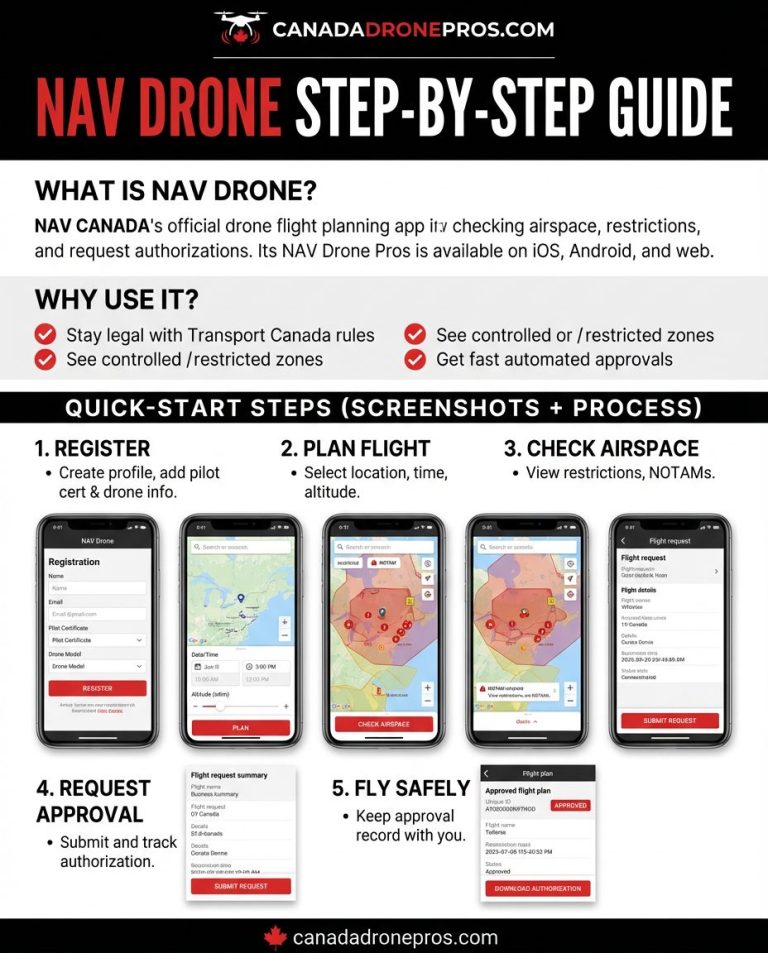
- Controlled airspace authorization through NAV CANADA
If you are flying a drone weighing 250 grams to 25 kilograms, you must comply with these federal rules.
2. Land Managers (Parks & Property Rules)
Even if airspace allows flight, you must have permission to take off and land.
In Alberta, land managers include:
- Parks Canada (National Parks)
- Alberta Parks (Provincial Parks & Protected Areas)
- Municipal governments (city parks, bylaws)
- Private landowners
- Indigenous lands (with their own governance)
A legal airspace does not override land restrictions.
3. Municipal Governments (Local Bylaws)
Cities and towns can restrict drone use on:
- Municipal parks
- Beaches
- Sports fields
- Urban green spaces
- Event areas
Municipal bylaws often prohibit launching, landing, or operating drones from city-owned property, even if Transport Canada rules would otherwise allow flight.
National Parks in Alberta: No Recreational Drones
Alberta is home to several world-famous national parks, including:
- Banff National Park
- Jasper National Park
- Waterton Lakes National Park
- Elk Island National Park
- Wood Buffalo National Park (partially in Alberta)
Recreational drone use is prohibited in all Canadian national parks.
This includes:
- Takeoff and landing
- Overflight
- Microdrones under 250g
Parks Canada enforces these rules under the Canada National Parks Act, with fines that can reach up to $25,000.
Commercial drone use is possible only with:
- Parks Canada filming permits
- UAV authorization
- Transport Canada compliance
Approvals are rare and tightly controlled.
Provincial Parks & Protected Areas in Alberta
Alberta Parks manages:
- Provincial Parks
- Wildland Provincial Parks
- Provincial Recreation Areas
- Ecological Reserves
- Natural Areas
Recreational Drones
In most Alberta provincial parks and protected areas, recreational drone use is prohibited unless explicitly authorized.
These restrictions exist to protect:
- Wildlife
- Natural soundscapes
- Visitor safety
Commercial & Research Use
Commercial or research drone operations may be allowed only with written authorization from Alberta Parks, and approvals are issued on a case-by-case basis.
Always check site-specific regulations before flying.
Municipal Drone Rules in Alberta Cities
Alberta’s major cities have their own drone bylaws.
Calgary
- Drones are prohibited in most city parks
- Additional restrictions near downtown, Stampede Park, and event zones
- Controlled airspace due to proximity to YYC
Edmonton
- Drone use restricted in city parks and river valley areas
- Controlled airspace near YEG and heliports
Red Deer, Lethbridge, Medicine Hat
- Municipal parks often prohibit drones
- Urban airspace restrictions may apply
Always check municipal bylaws before launching — even if Transport Canada rules allow flight.
Controlled vs Uncontrolled Airspace in Alberta
Alberta contains large areas of both controlled and uncontrolled airspace.
Controlled Airspace
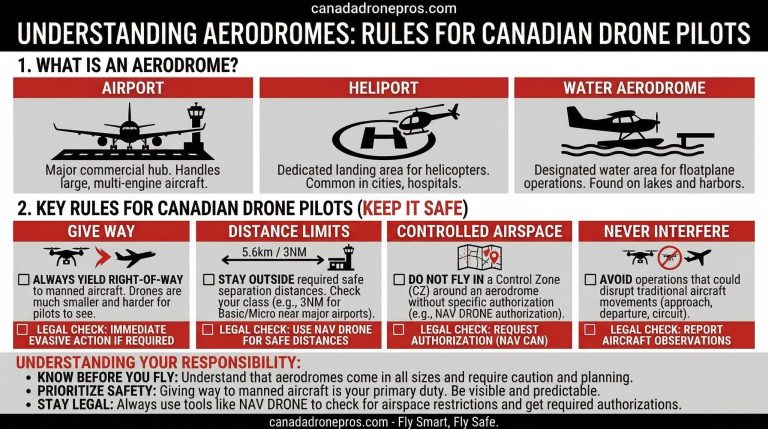
Common around:
- Major airports (Calgary, Edmonton)
- Regional airports
- Heliports
- Military airspace
To fly in controlled airspace, you must:
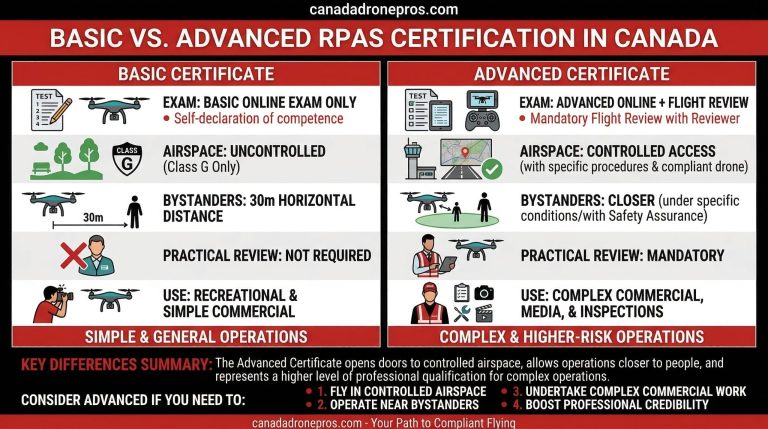
- Hold an Advanced RPAS Certificate
- Receive authorization through NAV CANADA
Uncontrolled Airspace
Found in:
- Rural areas
- Farmland
- Remote regions
Basic RPAS pilots may fly here if all other rules are followed.
Transport Canada Rules Alberta Pilots Must Follow
Any legal flight in Alberta must comply with federal rules.
Registration
Drones weighing 250g–25kg must be registered and marked.
Pilot Certification
- Basic Certificate: Uncontrolled airspace, far from people
- Advanced Certificate: Controlled airspace and operations closer to bystanders (with approved aircraft)
Altitude & Visibility
- Maximum 400 feet AGL
- Maintain visual line of sight
- Night operations require proper lighting
Safety & Distance
- Do not endanger people, aircraft, or property
- Respect minimum distances from bystanders
- Avoid wildlife disturbances
Failure to comply can result in thousands of dollars in fines.
Where You Can Fly Drones in Alberta
Legal drone operations are possible in many parts of Alberta with proper planning.
Potential legal locations include:
- Private rural property (with permission)
- Agricultural land
- Industrial zones
- Crown land outside restricted areas
- Municipal areas that permit drone use
Every flight must meet all three conditions:
- Legal airspace
- Legal land access
- Compliance with Transport Canada rules
Essential Flight Planning Tools
Canada Drone Pros recommends using all three before every flight:
- NRC Drone Site Selection Tool – High-level restrictions
- Transport Canada “Where You Can Fly” guidance
- NAV CANADA authorization system (for controlled airspace)
Never rely on a single app alone.
Common Alberta Drone Mistakes We See
At Canada Drone Pros, the most common issues include:
- Flying in provincial or national parks unintentionally
- Launching from municipal park land
- Assuming sub-250g drones are exempt
- Flying in controlled airspace without authorization
- Not checking land ownership
Education and planning prevent nearly all enforcement issues.
Alberta Drone Fines & Enforcement
Penalties can come from multiple authorities.
- Parks Canada: fines up to $25,000
- Alberta Parks: tickets, seizure, removal
- Municipal enforcement: bylaw fines
- Transport Canada: aviation penalties
Multiple fines can be issued from a single flight.
Responsible Drone Etiquette in Alberta
Legal flight is the minimum standard. Professional pilots go further.
- Avoid wildlife entirely
- Fly away from crowds
- Keep noise impact low
- Respect private property
- Pack out everything you bring
Responsible flying protects public trust and the future of drone access.
Frequently Asked Questions: Alberta Drone Laws
Are drones legal in Alberta?
Yes — when flown in compliance with federal, provincial, and municipal rules.
Can I fly a drone in Alberta parks?
Most provincial parks prohibit recreational drones. National parks prohibit them entirely.
Do microdrones get special treatment?
Transport Canada rules differ, but park and land restrictions still apply.
Can international visitors fly drones in Alberta?
Only if they comply with Canadian registration and certification requirements.
Can I fly at night in Alberta?
Yes, if you meet Transport Canada night-flight requirements.
Final Thoughts from Canada Drone Pros
Alberta offers incredible opportunities for drone pilots — but only if you understand the rules.
Most violations happen because pilots didn’t know who controlled the land they were standing on.
If you plan your flights properly, check airspace and land access, and follow Transport Canada regulations, Alberta can be one of the most rewarding provinces to fly in.