FCC Bans New Foreign Drone Models: What the DJI Decision Really Means for U.S. Drone Pilots
If you’ve seen today’s headlines claiming the United States has officially banned DJI and other foreign drone manufacturers, this time the news isn’t exaggerating — but it also isn’t telling the whole story.
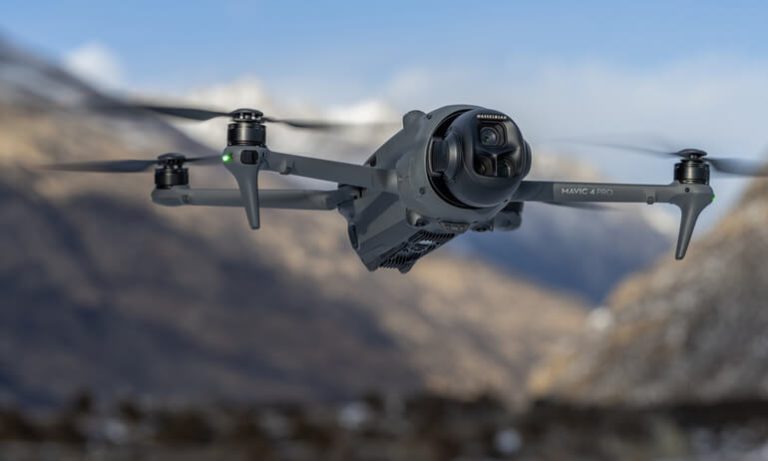
The Federal Communications Commission has now taken a decisive step by adding foreign-made drone manufacturers and critical drone equipment to its “Covered List,” declaring them an unacceptable risk to U.S. national security. This action effectively blocks the import and sale of all new drone models and critical components made by foreign manufacturers, including DJI, the world’s largest drone company.
This is no longer a proposal, a rumour, or political posturing. It is a real regulatory action with long-term consequences for the U.S. drone market.
However, what this decision does and does not do is critical for drone pilots, businesses, and public safety agencies to understand.
What the FCC Just Did
The FCC’s Covered List is used to identify communications equipment that cannot be authorized for use in the United States due to national security concerns. By adding foreign-manufactured unmanned aircraft systems and critical components to this list, the FCC has effectively blocked future FCC equipment authorizations for these products.
Without FCC authorization, a product cannot be legally imported, marketed, or sold in the United States.
This means that moving forward:
- New drone models made by foreign manufacturers cannot enter the U.S. market
- New critical components such as control links, radios, and transmission equipment from those manufacturers are also barred
- Companies like DJI are unable to legally launch new drone hardware in the U.S.
This is, in practical terms, a ban on new foreign-made drone models.
Why FCC Authorization Matters
Every drone sold in the United States must receive FCC authorization because drones use radio frequencies to communicate between the aircraft and the controller. If the FCC denies authorization, the drone cannot be legally sold or imported, regardless of FAA rules.
This action does not involve the FAA. It does not change airspace rules, pilot certification requirements, or flight legality. It is a market-entry restriction, not a flight ban.
Are Existing DJI and Foreign-Made Drones Now Illegal?
No. This decision is not retroactive.
Drones that already received FCC authorization before being added to the Covered List remain legal to:
- Own
- Fly
- Register with the FAA
- Use under Part 107 or recreational rules
- Sell on the secondary market
- Continue operating with Remote ID
There is no grounding order. There is no forced shutdown. There is no mechanism for remotely disabling existing aircraft.
If you already own a DJI drone, nothing about your ability to fly it legally changes today.
Why the Government Took This Step
The FCC’s action is rooted in national security policy, not aviation safety.
The U.S. government has determined that reliance on foreign-manufactured drones and critical communications components presents unacceptable risks related to:
- Data security
- Supply chain dependence
- Critical infrastructure surveillance
- Foreign control over firmware and update pathways
Whether or not individual pilots agree with this assessment, the decision reflects a broader shift in U.S. technology policy that mirrors actions previously taken against foreign telecommunications and cybersecurity firms.
What This Means for Recreational Drone Pilots
For recreational flyers, the impact is delayed, not immediate.
You can still:
- Fly your current drone legally
- Buy existing inventory while it remains in stock
- Register and operate as normal
The long-term effect will likely be fewer choices and higher prices as existing stock disappears and fewer foreign-made options are available. Innovation in consumer drones may also slow in the short term as the market adjusts
What This Means for Commercial Drone Operators
For Part 107 pilots, the consequences are more significant over time.
DJI dominates professional drone markets, including aerial photography, inspection, mapping, agriculture, and filmmaking. With no new foreign-made models entering the U.S. market, operators may face:
- Reduced access to cutting-edge camera and sensor technology
- Higher equipment costs
- Fewer feature-rich alternatives
- Increased pressure to adopt domestic or allied-manufacturer platforms
Existing DJI fleets remain legal and operational, but long-term planning is now essential for businesses that rely heavily on frequent hardware upgrades.
Public Safety and Government Agencies Are Hit First
Government and public safety agencies will feel the effects fastest.
Many agencies already faced restrictions on purchasing DJI drones with federal funds. This FCC decision accelerates the transition away from foreign-made systems entirely, regardless of performance or cost.
For agencies, this means:
- Forced migration to approved domestic platforms
- Higher procurement costs
- Reduced feature sets in some cases
- Longer replacement timelines
Why the Headlines Sound So Extreme
This time, the word “ban” is being used because it fits.
The FCC action does, in fact, ban the import and sale of new foreign-made drone models. What headlines often fail to explain is that this ban applies to future approvals, not existing drones already in use.
That distinction matters, but it doesn’t change the long-term reality: the U.S. drone market is being structurally reshaped.
Will DJI Leave the U.S. Market Entirely?
DJI can continue to support existing drones, software, and services for as long as it chooses and is legally permitted. However, without the ability to introduce new hardware, DJI’s presence in the U.S. will inevitably shrink over time unless exemptions, legal challenges, or policy reversals occur.
This is a slow exit, not a sudden shutdown.
What Drone Owners Should Do Now
This is not the moment for panic selling or fear-based decisions.
Smart steps include:
- Continue flying legally and compliantly
- Maintain and protect existing equipment
- Monitor the availability of batteries and spare parts
- Avoid overreacting to social media speculation
- Plan for diversification if your livelihood depends on drones
Your drone didn’t become illegal overnight. But the market you operate in has fundamentally changed.
The Bottom Line: FCC Bans New Foreign Drone Models
Yes, the FCC has now banned the import and sale of all new foreign-made drone models and critical equipment by placing them on the Covered List.
No, this does not make existing DJI drones illegal to own or fly.
This decision marks a turning point for the U.S. drone industry — one that will be felt gradually, not instantly. The pilots who thrive will be the ones who understand the difference between regulation and reality.
The sky didn’t close today. But the runway for new foreign drones just did.