Where Can You Fly a Drone in Tofino, British Columbia? (2026 Guide)
Tofino, British Columbia, is one of my most favourite places in the entire world. There is no doubt that it is one of Canada’s most visually striking and sought-after destinations. and for good reason.
Located on the rugged west coast of Vancouver Island, this remote coastal community is known worldwide for its expansive beaches, powerful surf, ancient rainforests, and dramatic Pacific storms.
For photographers, filmmakers, and drone pilots, Tofino feels like a dream location. Unfortunately, it is also one of the most restricted places in all of Canada to fly a drone.
Between federal aviation law, Parks Canada regulations, protected airspace, and local environmental sensitivities, flying legally in and around Tofino requires careful planning and a solid understanding of the rules.
This guide explains where you can and cannot fly a drone in Tofino in 2025, what applies to sub-250g drones vs heavier RPAS, and how experienced operators capture aerial content without risking fines, confiscation, or enforcement action.
Why Drone Rules Are So Strict in Tofino
If you were hoping to fly your drone in Tofino and did your research, the first thing you will notice is that Tofino is abnormally strict when it comes to UAV operations in the area. There are many reasons for the local stance on drones, most of which are mostly environmental.
Tofino sits adjacent to the Pacific Rim National Park Reserve, one of Canada’s most protected natural areas. The region is home to ultra-sensitive wildlife, historical old-growth rainforest, and heavily trafficked beaches that attract visitors from around the world. Large parts of Tofino are also located on indigenous lands, which adds another layer of protective regulations
Because of this and a few other reasons, multiple authorities overlap in the area:
- Transport Canada regulates airspace and aviation safety
- Parks Canada prohibits drones in national parks
- NAV CANADA controls nearby controlled airspace
- Local and Indigenous governance influences land access and use
This layered regulation of RPAS means that even experienced pilots can unintentionally break the law if they rely on assumptions instead of verified information.
Where Is Tofino Located?
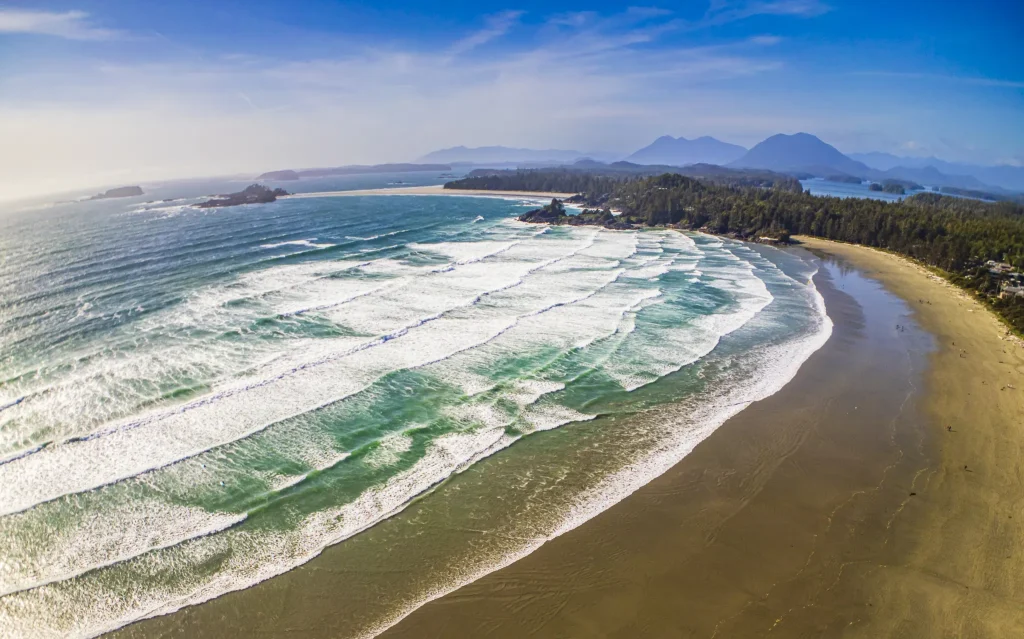
Tofino is a small but powerful village located on the West Coast of Vancouver Island in British Columbia, Canada.
This area is also known as the northern tip of the Esowista Peninsula, located within the traditional territory of the Tla-o-qui-aht First Nation, the indigenous tribes who call these lands home.
While the permanent population of the area is just over 2,000 laid-back residents, seasonal tourism increases that number dramatically during spring and summer.
The actual town is bordered on multiple sides by Pacific Rim National Park Reserve, placing many of its most iconic locations, including the famous Long Beach and beautiful Schooner Cove, completely off-limits to drone operations.
Sub-250g Drone Laws (DJI Mini Series)
For those hoping for micro drone loopholes, Sub-250g drones (such as the DJI Mini 3 Pro or Mini 4 Pro) may be exempt from many Transport Canada certification and registration requirements, but they are not exempt from all laws.
What You Don’t Need (Sub-250g)
- No RPAS pilot certificate
- No drone registration
What Still Applies
Even with a sub-250g drone, you must:
- Fly safely and responsibly
- Avoid people, wildlife, and property
- Remain below 400 ft AGL
- Maintain visual line of sight
- Avoid emergency operations and aircraft traffic
- Respect all land-use restrictions
National Park Restrictions
Parks Canada prohibits drone use in all national parks, regardless of drone weight.
This means:
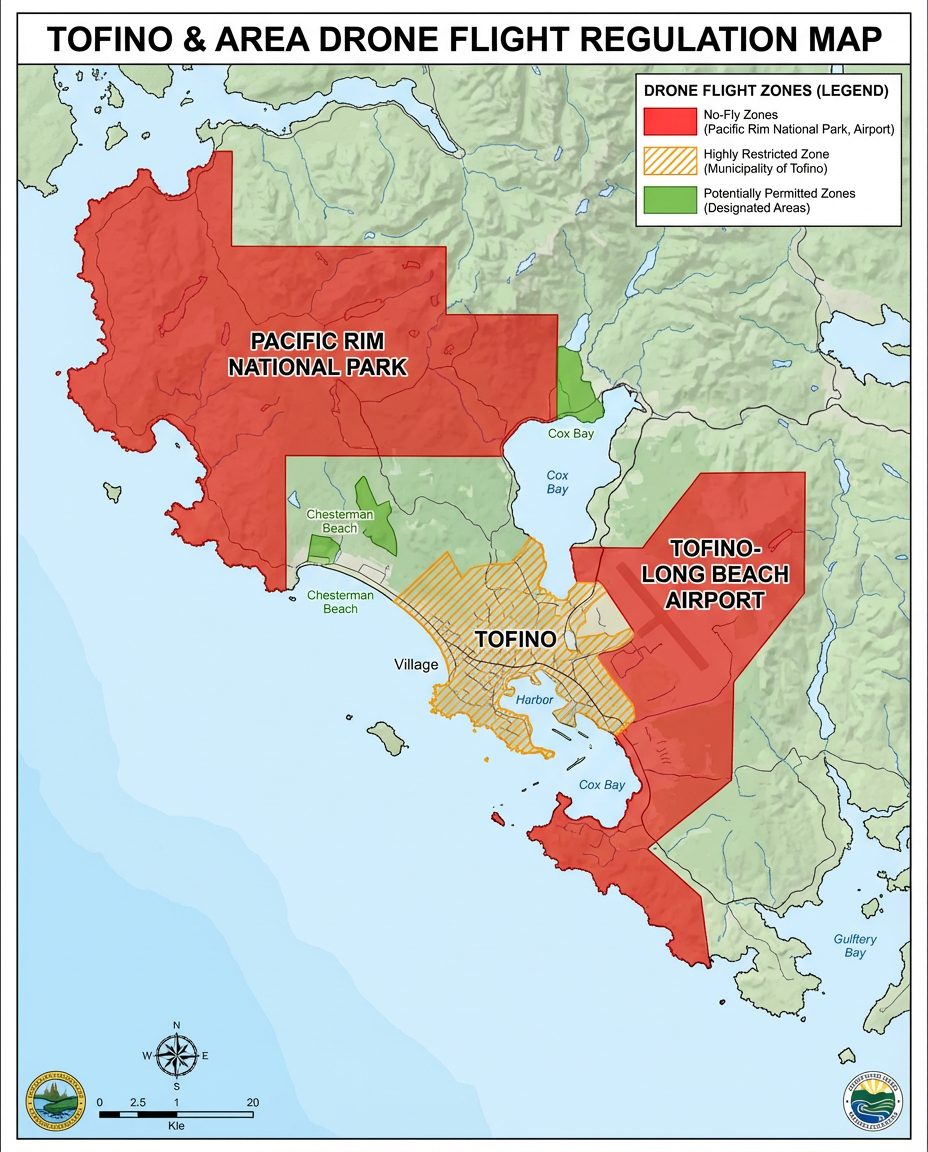
- No drone flights in Pacific Rim National Park Reserve
- No flights at Long Beach, Schooner Cove, rainforest trails, or park beaches
- No takeoff, landing, or overflight — even with a sub-250g drone
Permits are extremely rare and generally limited to major commercial productions or research activities.
Flying Outside the Park: What’s Possible?
Outside national park boundaries, drone operations may be legal if airspace allows and all aviation rules are followed.
Experienced pilots often:
- Launch from private property (with permission)
- Operate in uncontrolled Class G airspace
- Fly during low-traffic periods
- Maintain wide separation from people and wildlife
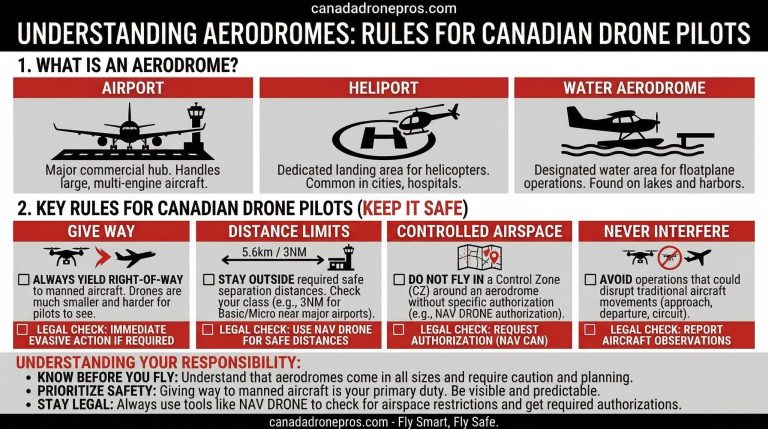
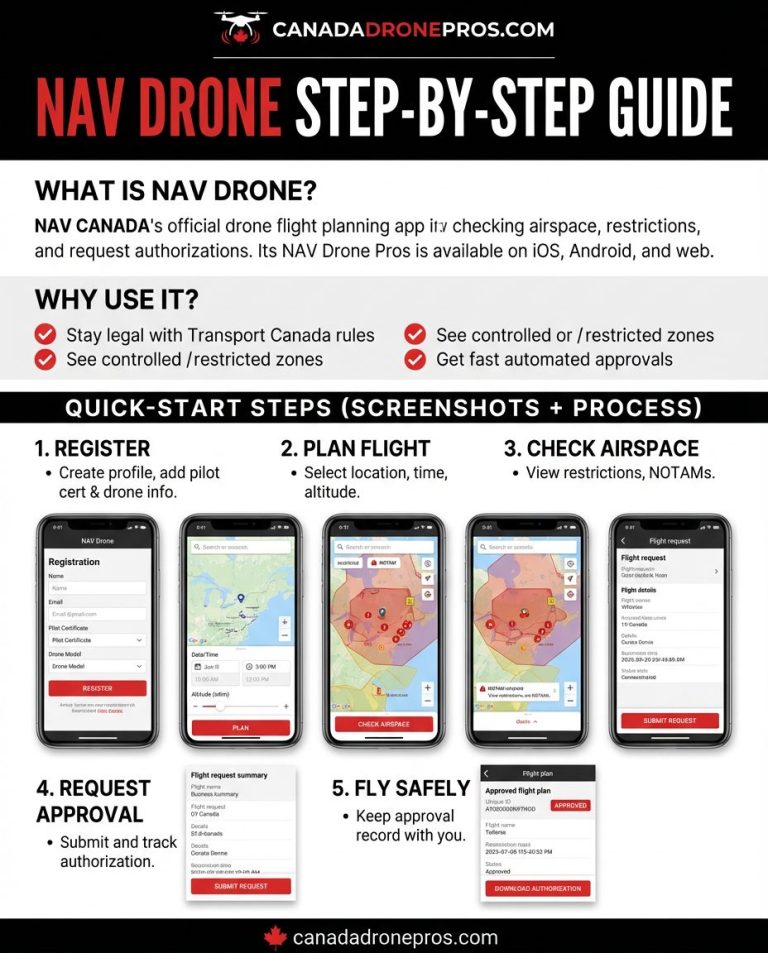
These flights still require careful airspace checks using official NAV CANADA tools before every launch.
Drones 250g and Over: Full RPAS Rules Apply
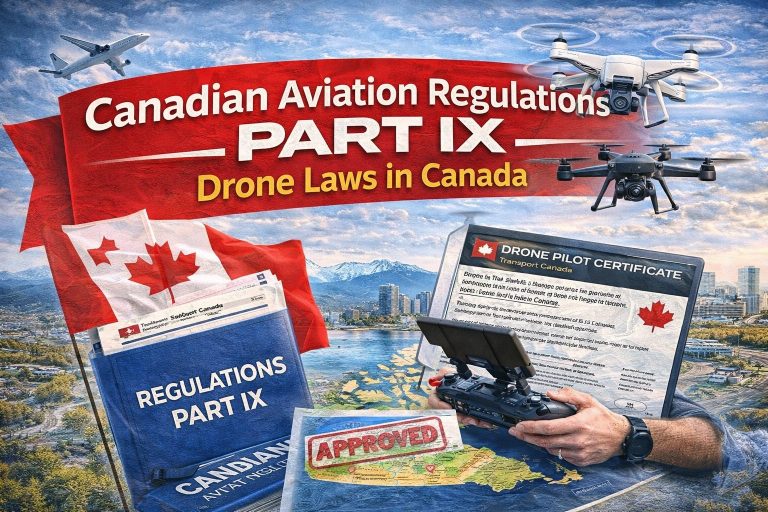
If your drone weighs 250 grams or more, Transport Canada’s Part IX RPAS regulations fully apply.
Requirements
- Valid Basic or Advanced RPAS Certificate
- Drone registered with Transport Canada
- Registration number displayed on the aircraft
- Compliance with airspace, proximity, and safety rules
Why Tofino Is Especially Challenging
- Proximity to Tofino–Long Beach Airport
- Controlled and restricted airspace nearby
- National park Class F restrictions
- High public density in peak seasons
Flying without proper authorization can result in:
- Fines up to $15,000
- Equipment seizure
- Enforcement action against future certifications
Why Heavier Drones Are More Restricted
Transport Canada’s 250-gram threshold is based on risk and accountability.
Heavier drones:
- Cause more injury if they fail
- Pose greater collision risk to aircraft
- Disturb wildlife more severely
- Require trained decision-making in complex airspace
This is why professional-grade drones like the DJI Mavic series require certification, registration, and structured flight planning — especially in areas like Tofino.
How Aerial Footage Is Captured Legally in Tofino
Despite the local restrictions, legal aerial footage is possible when handled correctly.
Common legal approaches include:
- Flying outside park boundaries in legal airspace
- Operating from boats offshore, where permitted
- Partnering with private landowners
- Hiring Advanced RPAS pilots with permits and insurance
- Applying for Parks Canada film permits (commercial only)
SFOCs and park permits are not fast or guaranteed, but they are the only legal route for certain operations.
Alternatives to Flying Inside Restricted Areas
If drone flight isn’t possible, consider:
- Ground-based cinematography
- Elevated mast or pole systems
- FPV gimbal rigs (non-aerial)
- Licensed local operators already approved to fly
In many cases, these alternatives deliver powerful visuals without legal risk.
Download A Free Tofino Drone Flight Map Here:
Final Thoughts: Where Can You Fly a Drone in Tofino
Tofino is one of the most protected landscapes in all of Canada. Its beauty is precisely why the rules are strict.
If you plan to fly a drone here — whether recreationally or commercially — understanding where you can fly is just as important as knowing how to fly.
Respecting aviation law, park regulations, and the local environment protects you, your equipment, and the future of drone access in Canada.
Fly smart. Fly legally. And always verify before you launch.